
What Size Tow Truck Is Needed for Different Vehicles?
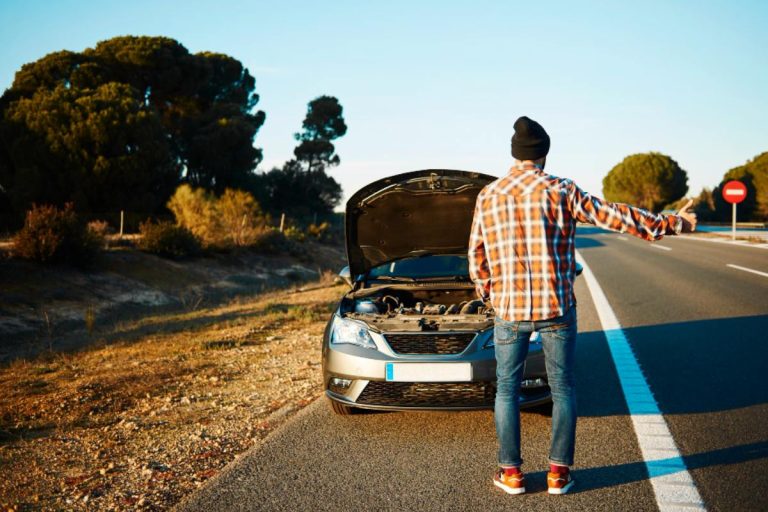
Breakdowns can happen on highways, city roads, parking lots, or job sites. Each vehicle needs the right tow truck based on its size, weight, and condition. A small car may need light-duty towing, while a large RV or commercial truck may need heavy-duty equipment. Weather, road conditions, and vehicle damage can also affect the towing process.
Using the wrong tow truck may cause extra damage and create safety risks during transport. All State Towing LLC uses the right tow truck to help move vehicles safely and reduce the risk of damage. In this blog, we explain tow truck size for different vehicles, how towing companies choose equipment, and why proper towing matters.
Table of Contents
ToggleChoose the Correct Tow Truck Size for Different Vehicles
The right tow truck depends on the vehicle’s size, weight, condition, and location. A small car, pickup truck, SUV, van, RV, or commercial truck may each need different towing equipment. Below, we explain which tow truck size works best for common vehicles and roadside situations.
Light-Duty Tow Trucks
Light-duty tow trucks help move smaller vehicles that usually weigh up to 10,000 pounds and are often about 10 to 18 feet long. They work well for everyday roadside problems, local towing, city streets, parking lots, and tight spaces.
Light-duty tow trucks often help with:
- Sedans
- Compact cars
- Motorcycles
- Small SUVs
- Flat tires
- Dead batteries
- Local towing
- Roadside breakdowns
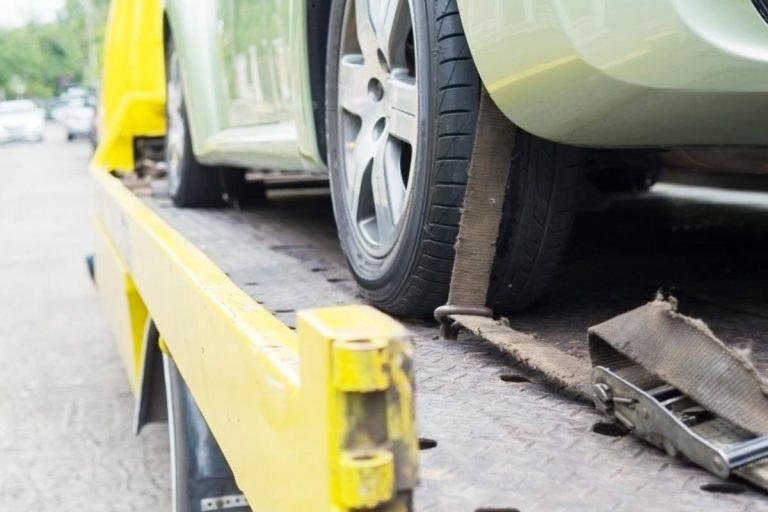
These tow trucks may use a wheel-lift system or a flatbed. A flatbed is often a better choice for luxury cars, sports cars, and all-wheel-drive vehicles because it keeps the tires off the road.
Medium-Duty Tow Trucks
Medium-duty tow trucks help move larger vehicles that usually weigh about 10,000 to 26,000 pounds and are often 18 to 30 feet long. They have more towing power than light-duty trucks and can handle vehicles with extra weight, tools, or equipment.
Medium-duty tow trucks often help with:
- Pickup trucks
- Cargo vans
- Utility trucks
- Work vehicles
- Large SUVs
- Delivery vans
- Small buses
- Service trucks
These trucks use stronger suspension systems, larger wheel lifts, and heavier towing equipment. This helps reduce the risk of damage during towing and transport.
Heavy-Duty Tow Trucks
Heavy-duty tow trucks help move the largest vehicles on the road. These vehicles usually weigh more than 26,000 pounds and are often 30 feet long or more, depending on the vehicle, trailer, or load.
Heavy-duty tow trucks often help with:
- Semi-trucks
- Tractor-trailers
- Buses
- RVs
- Dump trucks
- Construction vehicles
- Box trucks
- Commercial trucks
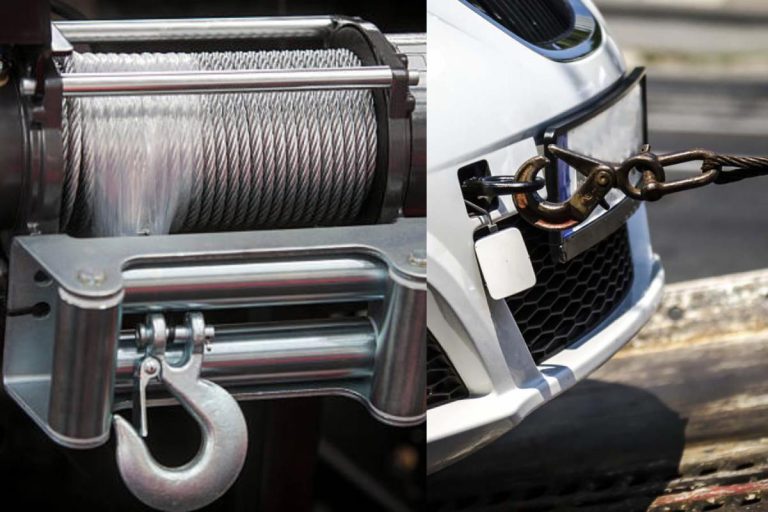
These tow trucks use strong winches, reinforced booms, underlifts, and advanced recovery equipment. This helps operators recover and transport large vehicles safely in difficult situations.
How Vehicle Weight Affects Tow Truck Size Requirements
Vehicle weight helps towing companies choose the right tow truck. Small vehicles need smaller tow trucks, while heavy vehicles need larger and stronger equipment. Extra weight from cargo, tools, trailers, or work equipment can also change the towing needs.
Here are some ways vehicle weight affects towing:
- Heavy vehicles need larger tow trucks with more pulling power
- Extra vehicle weight makes stopping and braking more difficult
- Heavy loads put more pressure on towing equipment
- Large vehicles need stronger wheel lifts and suspension systems
- Heavy cargo may change the tow truck size needed
- Oversized vehicles often need heavy-duty towing equipment
- The wrong tow truck may damage the tires, frame, or suspension
- Some heavy or damaged vehicles need flatbed towing for safer transport
The right tow truck helps operators move the vehicle safely and helps reduce the risk of damage during towing.
How Professional Tow Operators Choose the Correct Tow Truck Size
Professional tow operators check several details before they send a tow truck. They do this to choose the right equipment and avoid damage during transport. The vehicle’s size, weight, damage, and location all affect the final choice.
Here are the main things tow operators check:
- Vehicle type, such as a car, SUV, pickup, van, RV, or commercial truck
- Vehicle weight, because heavier vehicles need stronger tow trucks
- Vehicle damage, especially damage to the wheels, tires, axle, or suspension
- Vehicle condition, because a car that cannot roll may need special equipment
- Road location, such as a highway, parking lot, job site, or narrow street
- Towing distance, because long-distance transport may need a flatbed
- Drivetrain type, because some AWD and electric vehicles need extra care
- Cargo or trailer weight, because extra load may require a larger tow truck
What Happens If the Wrong Tow Truck Size Is Used?
The wrong tow truck can damage the vehicle and make the tow unsafe. A tow truck that is too small may not have enough power or control for the job. Here are some problems that may happen:
- The tow truck may struggle to pull the vehicle
- Braking may become harder and less safe
- Turns may become unsafe on busy roads
- Tires, axles, or suspension parts may get damaged
- The driveshaft or transmission may face extra stress
- Heavy vehicles may overload the towing equipment
- The risk of accidents or equipment failure may increase
Experienced tow operators know how to secure vehicles, use recovery equipment safely, and reduce the risk of additional damage during transport. At All State Towing LLC, our team uses the proper towing equipment for each vehicle type to help keep the towing process safe and efficient. Call us at 702-635-4052 to request professional towing services for cars, SUVs, trucks, RVs, and commercial vehicles.
Conclusion
Tow truck size for different vehicles is important for safe towing and vehicle protection. Small cars, SUVs, pickup trucks, commercial vehicles, buses, and semi-trucks each need different towing equipment based on their size and weight.
Professional towing companies check the vehicle details before they send a truck. They choose the right tow truck based on towing capacity, road conditions, vehicle damage, and transport needs.
At All States Towing, we provide light-duty, medium-duty, and heavy-duty towing services for many types of vehicles. Call us at 702-635-4052 for professional towing and recovery services.
FAQs
What size tow truck is needed for an SUV?
Most SUVs need either a light-duty or medium-duty tow truck based on the size and weight of the vehicle.
Can a regular tow truck tow a pickup truck?
Some pickup trucks fit standard towing equipment, but larger trucks often need medium-duty tow trucks for safe transport.
What vehicles require a heavy-duty tow truck?
Heavy-duty tow trucks handle semi-trucks, buses, RVs, dump trucks, construction vehicles, and other large commercial vehicles.
Are there different tow truck sizes for commercial vehicles?
Yes. Commercial vehicles often need medium-duty or heavy-duty towing equipment based on the vehicle size and cargo weight.
Are larger tow trucks more expensive to hire?
Heavy-duty towing services usually cost more because they require larger equipment and more complex recovery work.
How much weight can a standard tow truck handle?
Many standard light-duty tow trucks can handle between 5,000 and 10,000 pounds depending on the truck design and towing setup.