What to Do After a Tire Blowout on the Highway
A tire blowout on the highway happens without warning, and it can create a very stressful moment for any driver. The vehicle may shake, pull to one side, or lose speed very quickly, which often causes panic if the driver does not know what to do next.
Understanding what to do after a tire blowout on the highway helps you stay in control and reduce risk in a dangerous situation. In this guide, All State Towing LLC explains each step so you can handle the situation safely and stay in control during a tire blowout.
Table of Contents
ToggleWhat Happens When a Tire Blowout Occurs on the Highway
A tire blowout on the highway happens when a tire loses air very fast. It can happen because of heat, damage, or low tire pressure. You may hear a loud pop sound when it happens. After that, the car may pull to one side, and the steering wheel may shake. The vehicle can feel unstable and start slowing down quickly.
The driver loses some control because one tire stops working. This makes the situation unsafe at high speed. It is very important to know what steps to take at this moment. Keep both hands on the wheel, lift your foot off the gas, and guide the car straight while it slows down.
5 Steps to Take After a Tire Blowout
A tire blowout on the highway needs fast and calm action. Simple steps help you stay in control and avoid danger on the road. Below, we tell you what to do after a tire blowout on the highway so you can react in a safe and clear way.
1. Stay Calm
Keep both hands on the steering wheel and stay calm. Do not panic because it can make you move the wheel too fast. Keep the car straight and avoid sharp turns. Look at the road ahead, not the tire. Try to keep the car steady until it slows down.
2. Ease Off Gas
Slowly remove your foot from the gas pedal without any sudden movement. Let the vehicle slow down on its own and don’t try to change the speed quickly. The natural slowing helps the car regain balance after the blowout.
3. Turn on Hazards
Turn on your hazard lights so that the other drivers can see your car clearly. This warning helps create space around your vehicle on the highway. Keep the lights on while you slow down and move to safety. It gives drivers behind you time to react. Visibility is very important in this moment.
4. Move to Shoulder
Move your car to the right side of the road slowly. Wait until the car feels stable before you turn or change direction. Do not make quick or sharp steering moves. Pick a wide and safe area away from traffic. When you reach the shoulder, stop the car fully and keep it still.
5. Stay Inside Vehicle
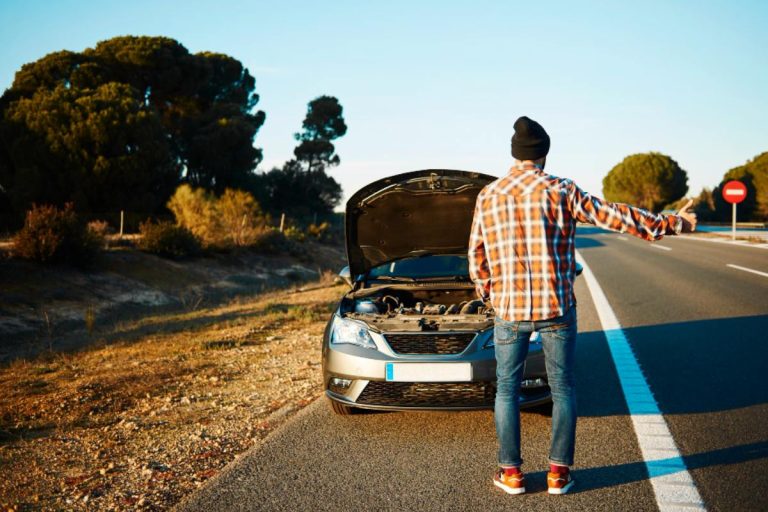
Stay inside your car after you stop if traffic is still moving fast near you. Do not get out on the highway because passing cars can hit you. Call roadside assistance as soon as you can. Stay inside the vehicle and wait safely for help.
How to Prevent Tire Blowouts in the Future
Here are simple steps to help you avoid tire blowouts and stay safe on the road. These actions reduce risk and keep your tires in good condition.
- Check tire pressure often and keep it at the right level.
- Look at tires for cracks, cuts, or worn tread.
- Replace old tires before they become unsafe.
- Avoid overloading your vehicle with heavy weights.
- Drive carefully in hot weather because the heat weakens tires.
- Fix warning signs like low pressure or vibration right away.
Common Mistakes to Avoid After a Tire Blowout
Many drivers react too fast after a tire blowout. These fast actions can make the situation more dangerous. Knowing what to avoid helps you stay safe and keep control of the car.
- Do not press the brake hard right away because it can cause loss of control.
- Do not turn the steering wheel sharply because the car can spin or move off course.
- Do not change lanes quickly while the car is still moving fast.
- Do not get out of the car on a busy highway because passing traffic is dangerous.
- Do not drive far on a damaged tire because it can damage the wheel and suspension.
When to Call Roadside Assistance or Towing Help
You should call roadside assistance or a towing service when your car is not safe to drive after a tire blowout. This helps protect you and prevents more damage to your vehicle.
Call for help when:
- Your tire is completely flat or torn
- The rim touches the road after the blowout
- You cannot move the car safely to the shoulder
- The car feels unstable or hard to control
- Traffic is heavy, and the tire change feels unsafe
- You need fast help to remove the car from the highway
In these situations, roadside help keeps you safe and prevents more damage to your vehicle. If you face any of these problems, contact All State Towing LLC or call us at 702-635-4052 for quick roadside assistance and reliable towing services in Las Vegas.
Final Thoughts
A tire blowout on the highway occurs fast and feels stressful. When you know what to do after a tire blowout on the highway, you stay safe and avoid danger. Hold the steering wheel steady and slow the car in a careful way. Move to a safe spot without sudden moves or panic. After you stop, call for help and stay away from traffic.
FAQs
What should I do first after a tire blowout on the highway?
Hold the steering wheel tight, keep the car straight, and let the vehicle slow on its own without sudden moves or changes.
Can I safely keep driving after a tire blowout?
No, you should not keep driving because the tire loses strength and control becomes unsafe, so stop the car as soon as it slows.
How do I control my car during a tire blowout?
Keep steady hands on the wheel, avoid sharp turns, and reduce speed slowly until the car feels stable again and easier to control.
Should I brake immediately after a tire blows out?
Do not brake hard at first, slow the car down naturally, then apply gentle brake pressure once the vehicle feels stable and balanced.
Where is the safest place to stop after a highway blowout?
The safest place is the right shoulder or an emergency area that stays far from fast traffic and gives enough space to stop safely.
How do I know if my tire has completely failed?
You feel strong pulling, hear a loud pop, notice vibration, and the car loses normal control and stability very quickly after the tire breaks.